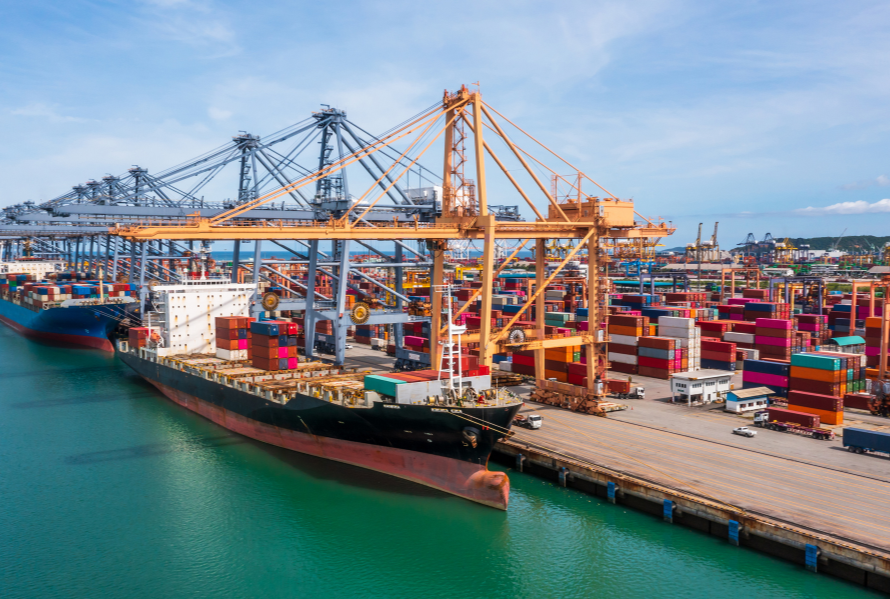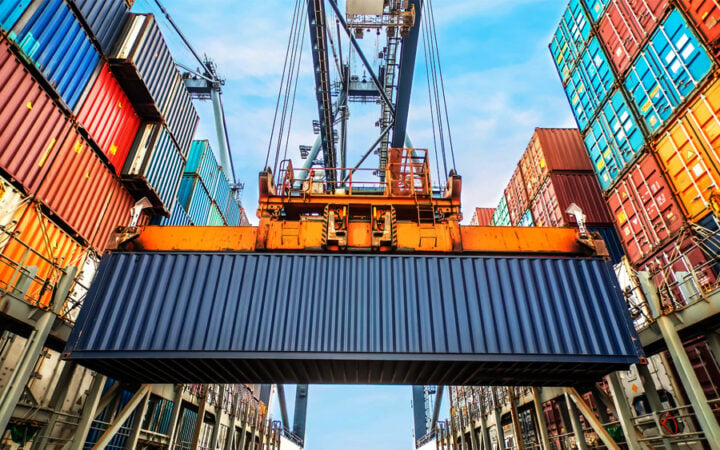
Nigeria is making deliberate efforts to shift away from its oil-dependent trade structure. In the first half of 2025, non-oil exports surged nearly 20% to $3.225 billion, driven by rising global demand for cocoa, urea, and cashew nuts. Cocoa alone contributed about 35% of the total export value, underscoring agriculture’s central role in diversification.
This progress has been building steadily as non-oil exports were valued at $4.52 billion in 2023, rising to $5.46 billion in 2024, a 20.8% increase even after accounting for naira depreciation. In Q1 2025, exports accelerated to $1.791 billion, up nearly 25% year-on-year, with volumes reaching 2.416 million metric tonnes. This progress has been building steadily. Non-oil exports were valued at $4.52 billion in 2023, rising to $5.46 billion in 2024, a 20.8% jump despite naira depreciation.
Momentum carried into 2025. In the first quarter alone, exports reached $1.791 billion, up nearly 25% year-on-year. Volumes also grew strongly, hitting 2.416 million metric tonnes. The product base widened as well, with 197 goods exported compared to 162 the year before, showing Nigeria’s expanding market reach.
Agriculture remains the leading driver, with cocoa, cashew, sesame, and ginger performing strongly across Europe, Asia, and the Middle East. Fertiliser has emerged as a manufactured export success, powered by major investments from Dangote and Indorama, turning Nigeria into a global urea supplier to countries such as Brazil, the US, and India. Solid minerals and metals, including aluminium and copper, are also growing, pointing to future potential.
Together, these sectors support livelihoods for millions. For instance, cocoa alone engages an estimated 300,000 to 350,000 smallholder farmers across Nigeria, with broader West Africa seeing between 1.8 to 2 million smallholders in cocoa value chains.
Meanwhile, agriculture as a whole accounts for roughly 35% of total employment in Nigeria . This export boom, therefore, isn’t just about trade figures, it touches farming families, traders, processors, and rural communities nationwide.
Challenges persist as most exporters grapple with congested ports, weak road networks, and post-harvest losses of up to 40–50% in perishables. Currency volatility and restrictive policies, such as the Export (Prohibition) Act of 1989, have further constrained opportunities. Encouragingly, moves to repeal this law in 2025 signal a more supportive environment.
The bigger task lies in moving from raw exports to value-added products like chocolate, processed cashew, and refined sesame. With the African Continental Free Trade Area (AfCFTA) expanding market access and more firms investing in agro-processing, Nigeria is well-positioned to strengthen its export base. Sustained reforms and infrastructure improvements could turn non-oil exports into a reliable growth engine, ensuring resilience against oil price swings and broader economic volatility.